Standing in front of a menu full of unfamiliar words? Carinthian cuisine mixes Alpine, Italian and Slovenian influences, and you can start with cheese pasta pockets, Reindling cake and lake fish.
| Item | Value |
|---|---|
| Dishes on Visit Carinthia’s must-try list | 7 |
| Carinthian asparagus peak season | April to June |
| Kärntner Lax’n lake trout, found in the region | As early as the 14th century |
| Alpine pastures producing Gailtaler Almkäse | 13 Carinthian Alpine pastures |
| Lesachtal grain, highest growing altitude | Up to 1,427 meters |
| Lesachtal water mills at Maria Luggau | Five mills at 1,179 meters |
These figures come from Visit Carinthia and Austria.info. Tourism pages get updated, so check the source before you rely on them.
What shapes Carinthian cuisine?
Carinthia is Austria’s southernmost province, and its kitchen looks south as much as north. The Austrian embassy’s food region page says the cooking is influenced by the eating cultures of three countries: Carinthia, Friuli-Venezia Giulia and Slovenia. It calls the result the Alps-Adriatic style.
That shared heritage shows up at the borders. According to the same page, Carinthian Käsnudel appear as ravioli in their Italian variant, while Slovenian Pohaca and Friulian Gubana are reminiscent of Reindling, a yeast-raised cake filled with raisins, cinnamon and sugar.
Seasons matter as much as geography. The embassy page points to asparagus from the Lavant Valley, cut by hand from the beginning of April, and to autumn game, above all venison. It adds that game from the Metznitz Valley is particularly highly prized.
Once you have the overview, the guide to traditional carinthian food is a good next step for dish-by-dish detail.
Ingredients that keep returning
Read a few menus and the same building blocks appear again and again. The Visit Carinthia overview and the embassy page point to a short list of staples:
- Curd cheese and potatoes, the base of the filling in Kärntner Nudeln.
- Fresh herbs, especially mint and chervil.
- Yeast dough with raisins, cinnamon and sugar, as in Reindling.
- Smoked and air-dried bacon, ham and sausages.
- Freshwater fish from lakes, streams and rivers.
- Honey, from wild and floral kinds to cream honey and alpine rose honey.
Region, valley and family
Variation is part of the identity. Visit Carinthia notes that subtle differences of ingredients by region, valley and family mean that Kirchtagssuppe does not taste the same anywhere across Carinthia.
The German-language Kärnten.at dish list makes the same point about sweet Kletzennudeln, saying they taste different in the Drautal than in the Nockberge. So treat any single recipe as one version among many, and ask what the kitchen does differently.
Seven dishes to try first
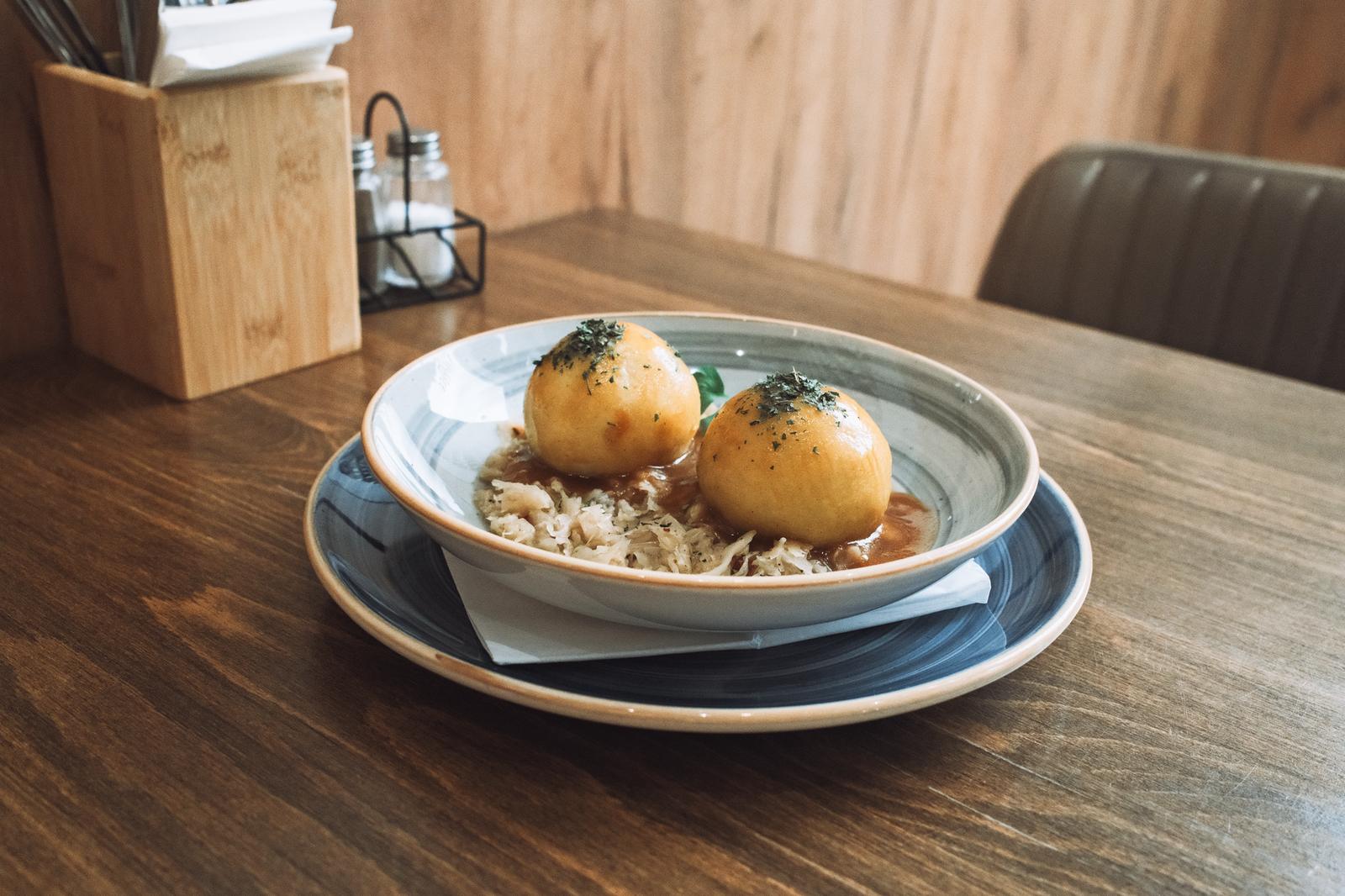
Visit Carinthia’s list of 7 typical Carinthian dishes is a sensible shortlist for a first visit. It is a tourism source, so read it as a guide to what the region is proud of rather than as a ranking. You can find the list on the Visit Carinthia page.
Kärntner Nudeln: the pasta pockets
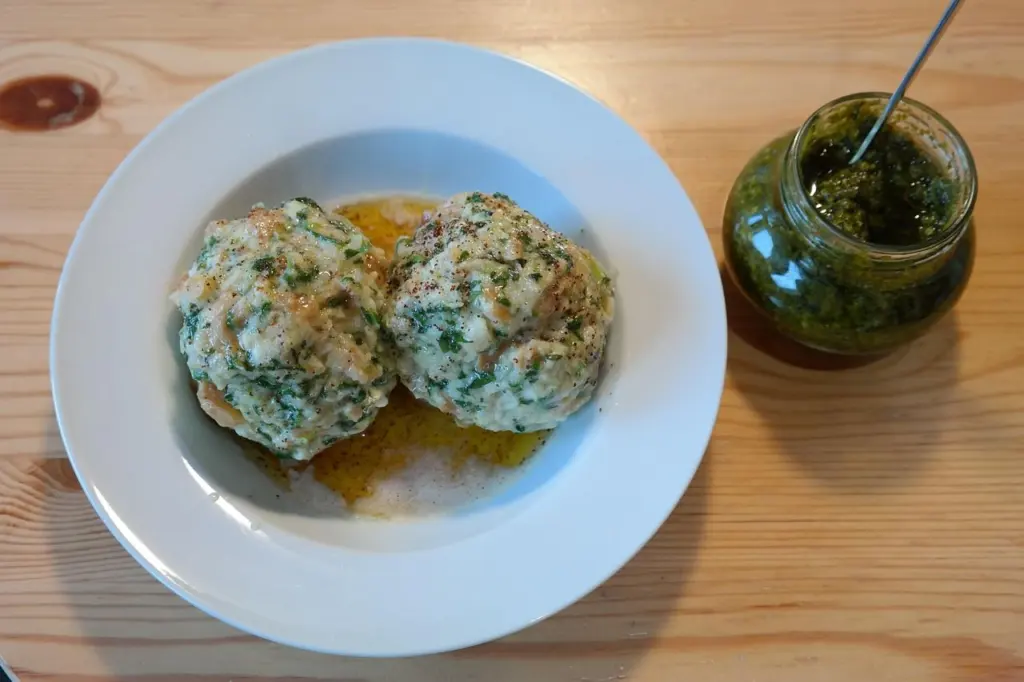
Start with Kärntner Nudeln, the pasta pockets that sit at the heart of the region’s cooking. Thin pasta dough is filled with crumbly curd cheese, potatoes, mint and chervil. Each pocket is crimped around the edges to ensure it does not come unsealed when cooking (Visit Carinthia).
Traditionally they are served with melted butter or crispy crackling. The crimped edge has its own word, “krendeln”, which is why you will see “gekrendelt” on some menus.
Austria.info publishes a cheese ravioli recipe that gives a feel for the work involved. Preparation time is 80 minutes for 4 servings, the dough rests for 30-45 minutes, and the disks are cut at approx. 8 cm. The pasta then simmers gently for 10-12 minutes and is covered generously with foamed brown butter.
The same page lists the dish as vegetarian and adds a regional detail. In southern Carinthia the Kasnudel is often drizzled with melted Sasaka instead of butter, a word that comes from Slovenian and means minced bacon.
Fillings vary a great deal. The Kärnten.at page counts around 20 different fillings, including sweet Kletzennudeln made from dried pears, curd cheese and spices such as cinnamon, cardamom and cloves.
For the technique in more depth, the page on kärntner kasnudeln is worth reading before you try crimping your own.
Fish from Carinthian waters
Thanks to its dedicated fish farmers, Carinthia produces large quantities of freshwater fish, according to Visit Carinthia. The same page names a long list of what to look for:
- Char and trout.
- Kärntner Lax’n, a lake trout.
- Danube salmon and whitefish.
- Carp and crayfish.
It suggests enjoying them on one of the many Carinthian lakeside terraces. Every summer the municipality of Feld am See pays tribute to them with a fish festival.
The Kärntner Lax’n has a long story. Visit Carinthia says it was found in the region as early as the 14th century and has been successfully bred again for some years. The Austrian embassy page adds that fish deliveries went from Carinthia to the Imperial Court in Vienna in the 14th century.
Chefs are also reinterpreting the catch. Austria.info describes dishes created from more than 15 different types of fish, including a fish Brettljause, wood-oven-baked Amur carp and braised pike-perch cheeks.
To see how these fish are cooked and where to find them, read the guide to carinthian lake fish dishes.
Reindling and its relatives
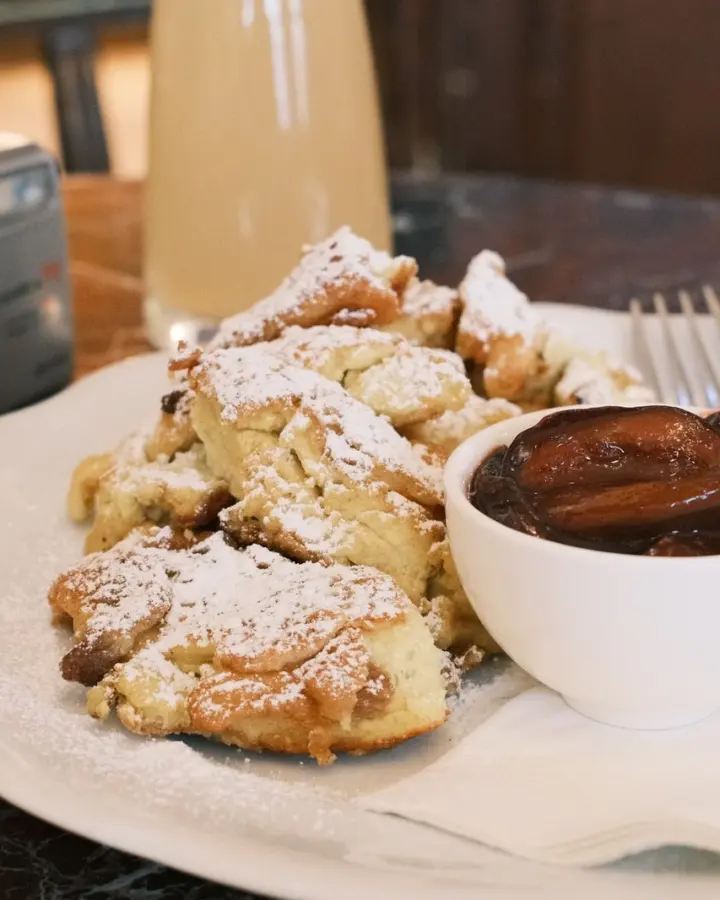
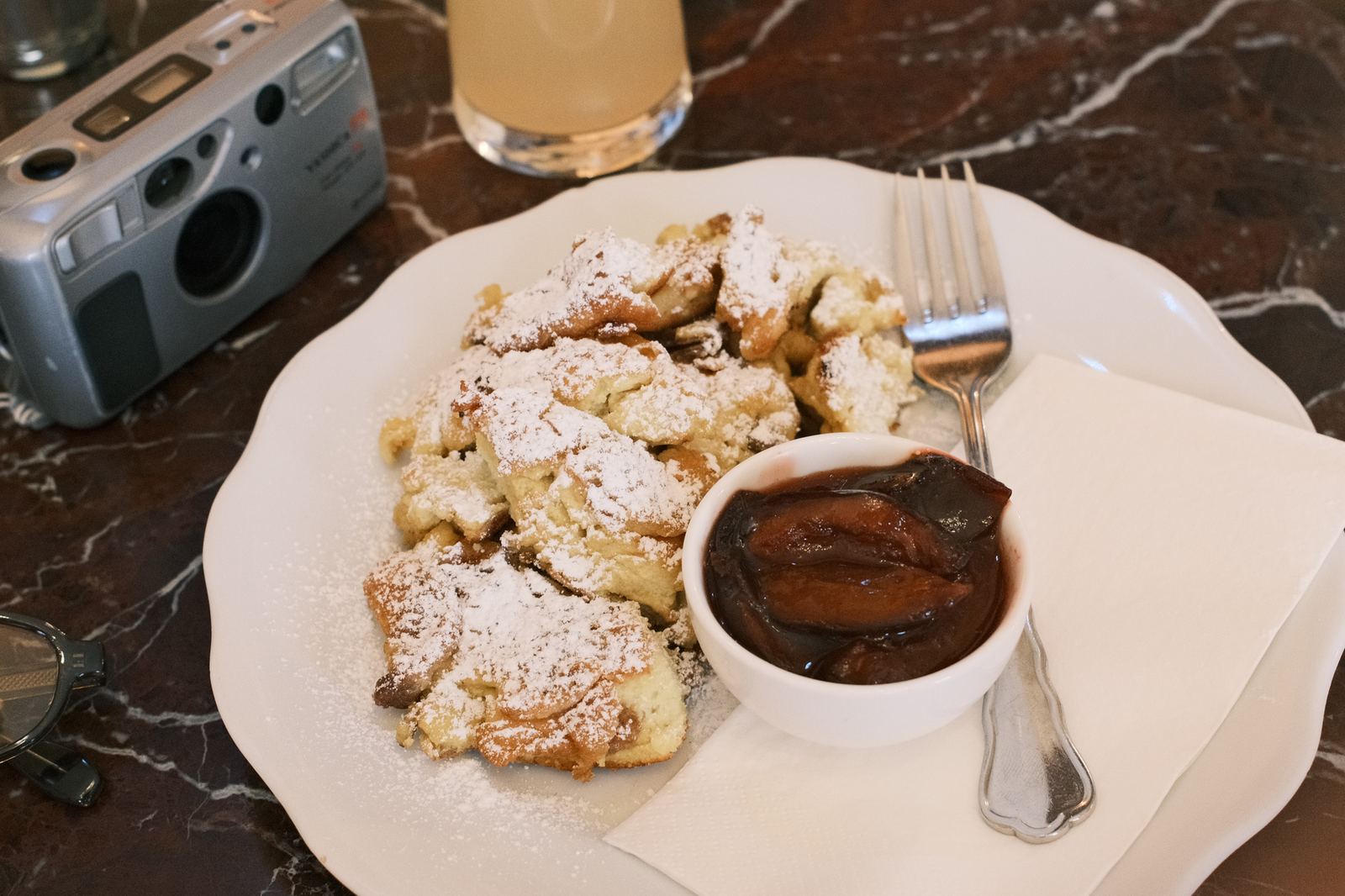
Visit Carinthia explains that Gubbana in Italy, Pohaca in Slovenia and Reindling in Carinthia all refer to a yeast dough cake filled with sugar, raisins and cinnamon. The rolled dough goes into a cast-iron “Rein” or bundt cake tin, which is where the Carinthian name comes from.
The dough is topped with butter and sugar, which melt into a sweet, crunchy glaze while it bakes. The cake is not only a breakfast or coffee treat: it has its big moment at Easter and throughout the Kirchtag festivities (Visit Carinthia).
There is a smaller cousin too. The Kärnten.at dish list describes Zuckerreinkale as the miniature version of Reindling with a thick sugar glaze on top.
If you would like to bake it at home, the reindling recipe walks through the method.
Carinthian asparagus
April to June is peak season for asparagus across Carinthia, according to Visit Carinthia. In the Lavanttal valley it is picked early in the morning and delivered straight to restaurants and shops.
Visit Carinthia adds that Carinthian chefs are in their element when it comes to creative asparagus dishes. If your trip falls in spring, look for it on the menu before anything else.
Kärntner Jause: the tavern board
A good Kärntner Brettljause is made of homemade delights, says Visit Carinthia. Expect some mix of the following:
- Cooked and smoked ham.
- Air-dried or smoked bacon.
- Seasoned curd cheese and sausage spread.
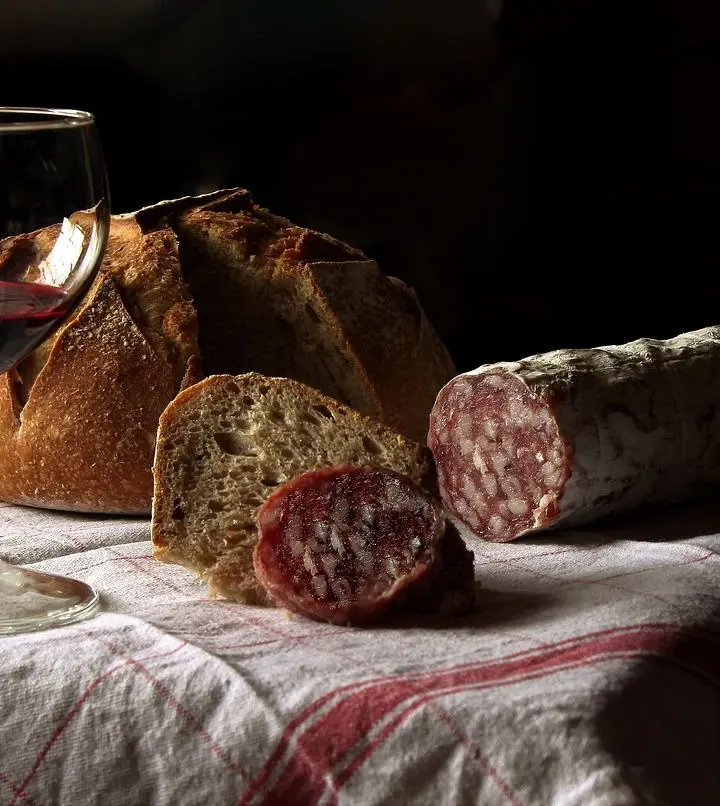
- Selchwurst sausages, salami and Trockenwürstel.
Depending on season and tavern, there may be extras from the immediate surroundings, such as Jauntal salami, Gailtal mountain cheese or Gailtal and Gurktal bacon. The Jause is often washed down with a shot of pine schnapps or fruit brandy.
The same page says it tastes best in a rustic Buschenschenke, a wine or cider tavern. The explainer on what is a buschenschank covers how these taverns work.
Kirchtagssuppe: the festival soup
Kirchtagssuppe means church festival soup. Different kinds of meat and vegetables are prepared like a beef broth, which is then refined with cream, eggs, spices and saffron, and the finely chopped cooked meat and vegetables go into the bowl.
It is always served with sweet Kärntner Reindling, per Visit Carinthia. The soup is enjoyed at weddings and large family celebrations as well as during Kirchtag.
Osterjause: the Easter meal
Easter is packed with customs across Carinthia. On Holy Saturday or Easter Sunday morning, family and friends eat the pre-blessed Osterjause, which includes smoked ham, horseradish, coloured hard-boiled eggs, Selchwurst sausages, beef tongue and sweet Reindling (Visit Carinthia).
Depending on region, it may come with butter stuffed with poppy seeds, honey or raisins, and with Eierkren, a combination of eggs, horseradish, vinegar and oil.
Mountain pastures, bread and bacon
Beyond the headline dishes, much of the region’s identity sits in its producers. Austria.info describes a Slow Food Travel region that includes the Gailtal, Lesachtal, Gitschtal and Weissensee. There, farmers, chefs and artisans focus on sustainable and organic methods for grain cultivation, fish farming, alpine pasture management and cheese-making.
The page says guests can join the process, whether that means crimping Kasnudeln, baking natural sourdough bread or making butter on the alpine pastures. Treat these as examples of what the region promotes, and check each producer directly for what is on offer.
Gailtal bacon and mountain cheese
Gailtal bacon is produced in the Kärntner Gailtal according to old tradition. Austria.info describes it as lightly salted, cold-smoked over beechwood and slowly matured, with a delicate flavour (Austria.info).
The same page says Gailtaler Almkäse is made on 13 Carinthian Alpine pastures from flavoursome raw milk and Alpine herbs. For a wider view of the style, see the guide to austrian mountain cheese.
Cured meats from the valleys
The embassy page highlights Gurktaler Luftgeselchter Speck, a smoked bacon that finishes ripening in the fresh air of the Gurktal. It also names Jauntaler salami, a pure pork sausage with a well-rounded taste.
Summer festivals even select a “salami princess” and “salami king” of Carinthia. That tells you how seriously the region takes its cured meats.
Lesachtal bread
Austria.info says Lesach Valley bread-making has been declared an intangible cultural heritage by UNESCO, and that the grain is still ground in old mills. The grain grows at altitudes of up to 1,427 meters, then travels down to Maria Luggau, where five water mills stand at 1,179 meters (Austria.info).
In the Lesachtal, bread is still baked by hand using regional ingredients, and the grain is mostly rye and spelt. It is a good example of how a plain loaf can carry a whole valley’s history.
Slow Food and hut cooking
Visit Carinthia explains that the Carinthian Slow Food Guide shines a spotlight on establishments that focus on local, seasonal products and their healthy preparation, and that collaborate with producers from Carinthia. The criteria are “good, clean, fair” (Visit Carinthia).
If you plan to eat at altitude, the overview of alpine hut food austria explains what to expect on a mountain menu.
Drinks, honey and sweet finishes
Visit Carinthia says the region’s delights combine well with local drinks, which Austria’s southernmost province offers in abundance. Austria.info names a cold, freshly brewed beer from a Carinthian brewery as the ideal accompaniment to Reindling and Kirchtagssuppe (Austria.info).
Beer, wine and spirits
The Visit Carinthia page names several producers as neutral examples:
- Breweries: the nationally respected Villacher, Schleppe and Hirter, plus smaller names such as Loncium, Wimitzbräu and Breznik.
- Wineries: Weingut Burg Taggenbrunn, Domäne Lilienberg, Weingut Karnburg, Trippelgut and Vinum Virunum.
- Distilleries: Pfau Brand, Spendel Schnaps and Edeldestillerie Weber.
Wine has an unusual history here. Viticulture flourished in the Middle Ages but was forgotten until the 1970s, and it is now catching up again. Burg Taggenbrunn is described as the largest establishment at 40 hectares, and Domäne Lilienberg has 10 hectares, so most vintners are small.
Honey
The embassy page says Carinthia is famous for honey. Classic sorts such as wild honey and floral honey sit alongside cream honey and alpine rose honey, and honey from the Carnica bees of the Rosental enjoys a particularly good reputation.
Berries and cakes
The Kärnten.at dish list calls the forests a paradise for berries: strawberries, bilberries, raspberries, blackberries and lingonberries. Depending on the season, they end up in cakes, tarts and desserts, so a slice of berry cake is a fair way to finish a mountain walk.
Planning your meals in Carinthia
You do not need a complicated plan. A few habits will help you eat well and recognise what is on the plate.
- Match the season. Asparagus peaks from April to June (Visit Carinthia), while game belongs to autumn.
- Order the local fish. Ask which freshwater species the kitchen has, and sit on a lakeside terrace if you can.
- Share a Jause board. It lets you taste ham, bacon, cheese and sausage in one go.
- Try something sweet. Reindling or a berry cake works at breakfast, with coffee or after dinner.
- Know the bill etiquette. The guide to tipping in austria restaurants covers how to settle up.
Food is only one part of a trip. The carinthia travel guide sets meals in the wider picture of the region.
If you want to earn your Jause first, read about outdoor activities in carinthia to see what walking, cycling and water sports can fill your day before dinner.
Frequently asked questions
What is the most typical Carinthian dish?
Show answer
Visit Carinthia calls Kärntner Nudeln undoubtedly the peak of Carinthian cuisine. They are pasta pockets filled with curd cheese, potatoes, mint and chervil. See the Visit Carinthia page for the full list of 7 dishes.
When is Carinthian asparagus in season?
Show answer
Visit Carinthia gives April to June as the peak season for Carinthian asparagus. The source page names the Lavanttal valley as a growing area.
Is Carinthian food only meat and dairy?
Show answer
No. Austria.info lists its Kasnudeln recipe as vegetarian, built on potatoes, farmer’s cheese and herbs. The recipe page also notes that bacon-based Sasaka is a regional topping in the south, so ask what is on top.
What is Reindling and when do people eat it?
Show answer
Reindling is a yeast dough cake filled with sugar, raisins and cinnamon, baked in a “Rein” or bundt tin. Visit Carinthia says it is served at breakfast and with coffee, and has its big moment at Easter and during the Kirchtag festivities (Visit Carinthia).
Do the same dishes exist outside Carinthia?
Show answer
Relatives do. The Austrian embassy page says Käsnudel appear as ravioli in Italy, and that Slovenian Pohaca and Friulian Gubana resemble Reindling.