Planning a meal in Carinthia and unsure what to order? Traditional Carinthian food centres on Kärntner Nudeln, Reindling, smoked Jause meats and lake fish. Order those and you will taste the region.
This guide sits inside a wider look at carinthian cuisine across the Alps-Adriatic region.
| Item | Key fact |
|---|---|
| Typical dishes on Visit Carinthia’s shortlist | 7 |
| Kärntner Nudeln filling | Curd cheese, potatoes, mint and chervil |
| Kärntner Lax’n lake trout in the region | Found as early as the 14th century |
| Carinthian asparagus peak season | April to June |
| Largest winery named by Visit Carinthia | Weingut Burg Taggenbrunn, 40 hectares |
The figures come from Visit Carinthia. Seasons, shortlists and producers can change, so check the source before you rely on them.
What makes Carinthian food different?
Carinthia sits where three food cultures meet. The Austrian Embassy’s regional page describes a cuisine influenced by the eating cultures of three countries (Carinthia, Friuli-Venezia Giulia and Slovenia) that favours seasonal and local products. The same page says Carinthian Käsnudel appear as ravioli in their Italian variant, while Slovenian Pohaca and Friulian Gubana are reminiscent of Reindling.
This guide takes its dishes from Visit Carinthia’s shortlist of typical Carinthian dishes and adds a few regional extras.
- Festive classics: pasta pockets, yeast cake and church festival soup.
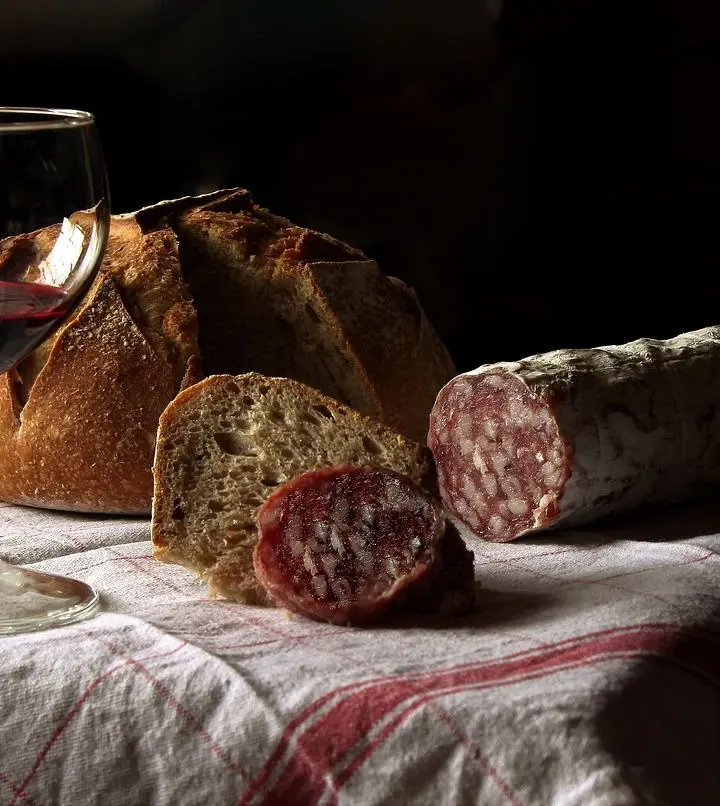
- The Jause: cold plates of ham, bacon, sausage and cheese.
- Seasonal produce: lake fish, asparagus and autumn game.
- Local drinks: beer, wine and fruit spirits.
Festive classics: Nudeln, Reindling and Kirchtagssuppe
Kärntner Nudeln
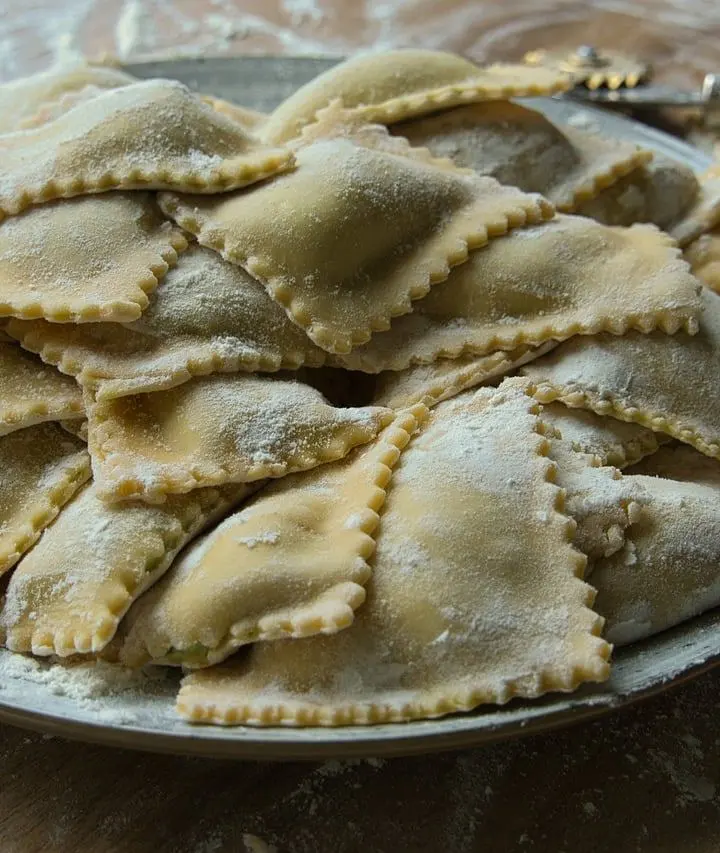
Visit Carinthia calls Kärntner Nudeln undoubtedly the peak of Carinthian cuisine. Thin pasta dough is filled with a mixture of crumbly curd cheese, potatoes, mint and chervil, and each pocket is crimped at the edge so it does not come unsealed when cooking. They are traditionally served with melted butter or crispy crackling, according to Visit Carinthia.
In southern Carinthia, an Austria.info recipe page says the dish is often served with melted Sasaka instead of butter. It adds that the word comes from Slovenian and simply means chopped bacon. For a closer look at the dish, see the guide to kärntner kasnudeln.
Reindling
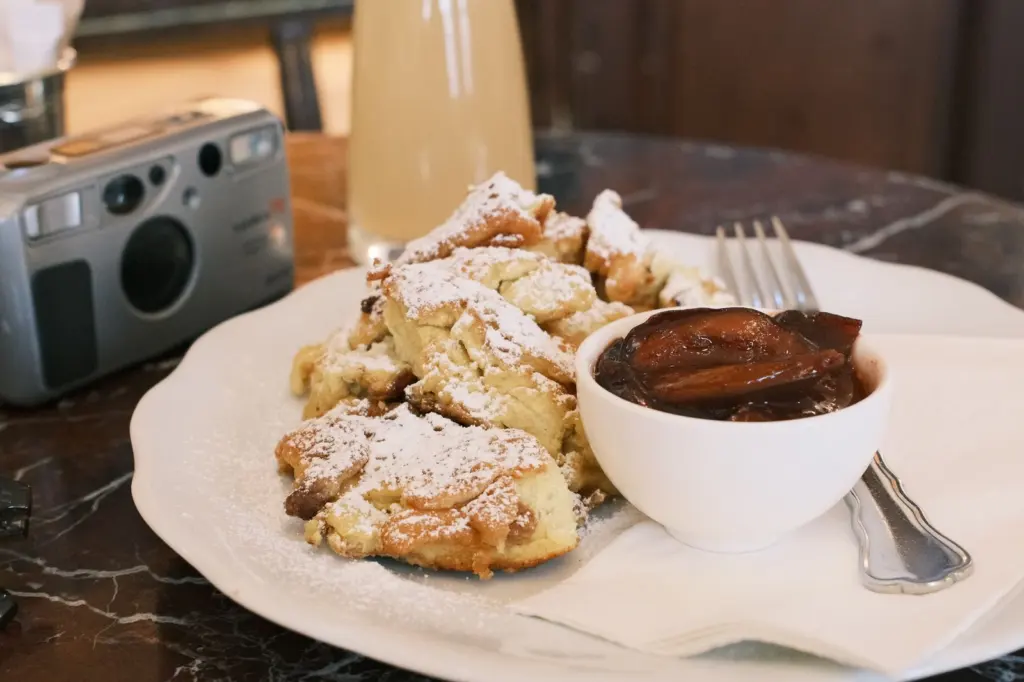
Reindling is a yeast dough cake filled with sugar, raisins and cinnamon. It is known as Gubbana in Italy and Pohaca in Slovenia, and the Carinthian name comes from the cast-iron “Rein” tin the rolled dough is baked in. Butter and sugar melt into a sweet, crunchy glaze as it bakes.
You will find it with breakfast or coffee, but it has its big moment at Easter and throughout the Kirchtag festivities, as Visit Carinthia explains.
Kirchtagssuppe
The Kirchtagssuppe (church festival soup) is made from different kinds of meat and vegetables prepared like a beef broth. It is then refined with cream, eggs, spices and saffron, and the finely chopped cooked meat and vegetables go into the bowl. It is always served with sweet Kärntner Reindling.
Ingredients vary by region, valley and family, so the hearty yellow soup rarely tastes the same twice. Besides the Kirchtag festivities, it appears at weddings and large family celebrations.
Jause, bacon and sausages
A good Kärntner Brettljause is a board of homemade delights. Visit Carinthia says it tastes best at one of the rustic local Buschenschenken, which are wine or cider taverns. It is often washed down with a shot of pine schnapps or fruit brandy.
The board typically brings together:
- cooked and/or smoked ham;
- air-dried or smoked bacon;
- seasoned curd cheese and sausage spread;
- Selchwurst sausages, salami and Trockenwürstel sausages.
Depending on season and tavern, you may also see Jauntal salami, Gailtal mountain cheese or Gailtal and Gurktal bacon, per Visit Carinthia. The Austrian Embassy page describes Jauntaler salami as a pure pork sausage with a well-rounded taste.
Gailtal bacon is produced in the Kärntner Gailtal according to old tradition. Austria.info says it is lightly salted, cold-smoked over beechwood and slowly matured, and that Gailtaler Almkäse is made on 13 Carinthian Alpine pastures from raw milk and Alpine herbs.
The Easter Jause
On Holy Saturday or Easter Sunday morning, family and friends tuck into the pre-blessed Osterjause. Visit Carinthia lists smoked ham, horseradish, coloured hard-boiled eggs, Selchwurst sausages, beef tongue and sweet Reindling.
Depending on region, it may come with butter stuffed with poppy seeds, honey or raisins. Eierkren, a combination of eggs, horseradish, vinegar and oil, is another regional accompaniment, according to Visit Carinthia.
Fish, asparagus and game: what the seasons bring
Carinthia produces large quantities of freshwater fish. A particular speciality is Kärntner Lax’n, a lake trout found in the region as early as the 14th century and successfully bred here again in recent years. Visit Carinthia also names char, trout, Danube salmon, whitefish, carp and crayfish, and says Feld am See pays tribute to fish with a festival every summer.
Good timing helps you eat what is at its best:
- Spring: Lavanttal asparagus, with a peak season from April to June.
- Summer: lake fish on a lakeside terrace.
- Autumn: game from the local forests, above all venison.
The Austrian Embassy page adds that Lavant Valley asparagus is cut by hand from the beginning of April onwards. The same page calls autumn game specialities, above all venison, another example of seasonal Carinthian cuisine.
What should you drink with it?
Visit Carinthia points to the nationally respected Villacher, Schleppe and Hirter breweries. It also recommends smaller brewers such as Loncium, Wimitzbräu and Breznik. Austria.info says the ideal accompaniment to the classics is a cold, freshly brewed beer from a Carinthian brewery.
Carinthian wine has a shorter modern story. Viticulture flourished in the Middle Ages but was then forgotten about until the 1970s, and Visit Carinthia says it is now catching up again. It names Weingut Burg Taggenbrunn at 40 hectares as the largest winery it lists, with Domäne Lilienberg at 10 hectares.
For a final glass, the same page names award-winning distilleries Pfau Brand, Spendel Schnaps and Edeldestillerie Weber.
Where to taste it on a trip
The Gailtal, Lesachtal, Gitschtal and Weissensee form Carinthia’s Slow Food Travel region. Austria.info describes it as a place where you can look over producers’ shoulders, from crimping Kasnudeln to making butter on the alpine pastures.
In Klagenfurt, the University of Klagenfurt’s food guide names the Benedictine Market as a place to shop and eat. It says a special spirit infuses the market on the principal market days, Thursdays and Saturdays, and it recommends a lunch stop for Kärntner Kasnudeln, as its blog post explains.
A few habits make ordering easier:
- Ask which dishes are local to the valley you are in.
- Choose a Buschenschenke for a Brettljause.
- Match the season: asparagus in spring, fish in summer, game in autumn.
When the plates are cleared, a separate guide explains how tipping in austria restaurants works.
Frequently asked questions
What is the most famous traditional Carinthian dish?
Show answer
Visit Carinthia puts Kärntner Nudeln at the top of its list and calls them undoubtedly the peak of Carinthian cuisine. They are pasta pockets filled with curd cheese, potatoes, mint and chervil.
Are Kärntner Nudeln the same as ravioli?
Show answer
They are related but not identical. The Austrian Embassy page says Carinthian Käsnudel are served as ravioli in their Italian variant.
When is asparagus season in Carinthia?
Show answer
Visit Carinthia gives April to June as the peak season, so spring is the time to look for asparagus dishes on local menus.
What is Reindling served with?
Show answer
It is a sweet yeast cake that suits breakfast or coffee. It is also always served alongside Kirchtagssuppe, according to Visit Carinthia.