Searching for Nockberge National Park? It no longer exists under that name: since July 2012 the area has been a UNESCO biosphere reserve you can explore on foot and along the Nockalm Road.
The Nockberge belong to the wider picture of outdoor activities in carinthia, and this guide explains the area’s history, its landscape and how to approach a visit.
| Item | Value |
|---|---|
| Former Nockberge National Park area | 184 km² |
| National park established | 1 January 1987 |
| Referendum result against large-scale tourism plans | 94% against (vote of 7 December 1980) |
| Conversion into a biosphere reserve | July 2012 |
| Nockalm Road length | around 34 km |
| Bends on the Nockalm Road | 52 |
These figures come from Wikipedia’s Nockberge National Park page and a Grossglockner Hochalpenstrassen article on the Nockberge. Figures can change, so check the sources before you rely on them.
What happened to Nockberge National Park?
The protected area was set up as a national park on 1 January 1987 and covered 184 km², according to Wikipedia’s page on the park, last edited on 31 October 2025. The same page says it was dissolved in 2012.
In July 2012 the park was converted into the UNESCO-designated biosphere reserve Salzburger Lungau und Kärntner Nockberge, as of that Wikipedia edit. Carinthia also passed a law dated 13 December 2012 that set up the Biosphere Park Nockberge, as the UNEP law database entry records.
The switch had a long lead time. On 16 November 2004 the Carinthia National Park Committee unanimously decided to convert the park into a biosphere reserve based on the UNESCO concept, per Wikipedia.
The reason is partly a matter of definitions. Wikipedia notes that the IUCN did not class the park as a national park category but as a protected landscape (Category V), because the area has only minimal non-anthropogenic landscapes and its management centres on traditional alpine farming.
How a 1980 referendum shaped the Nockberge
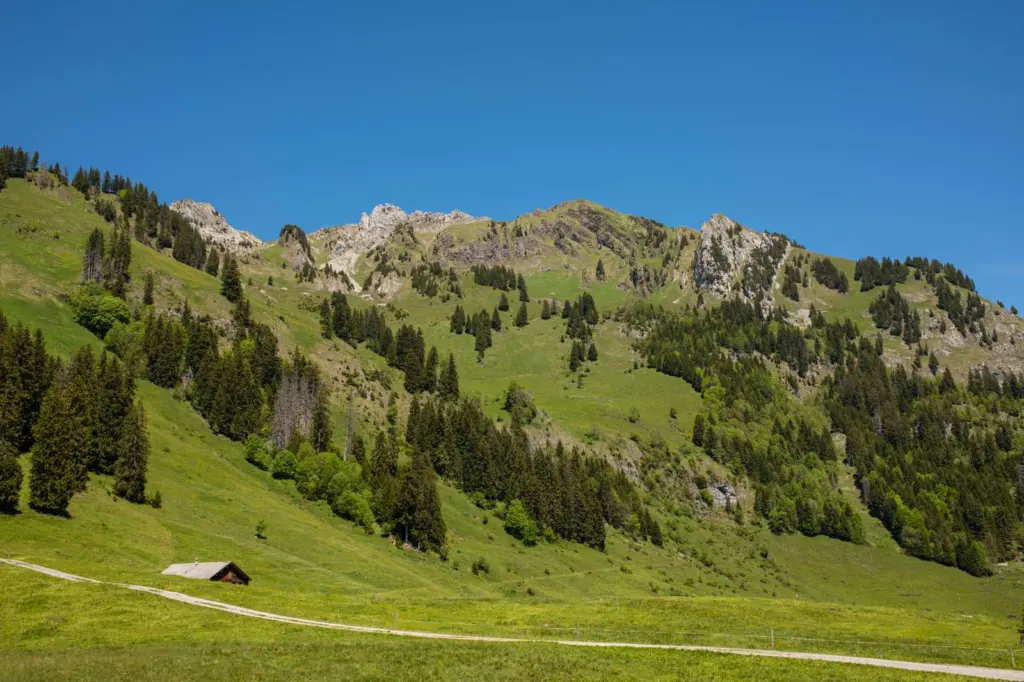
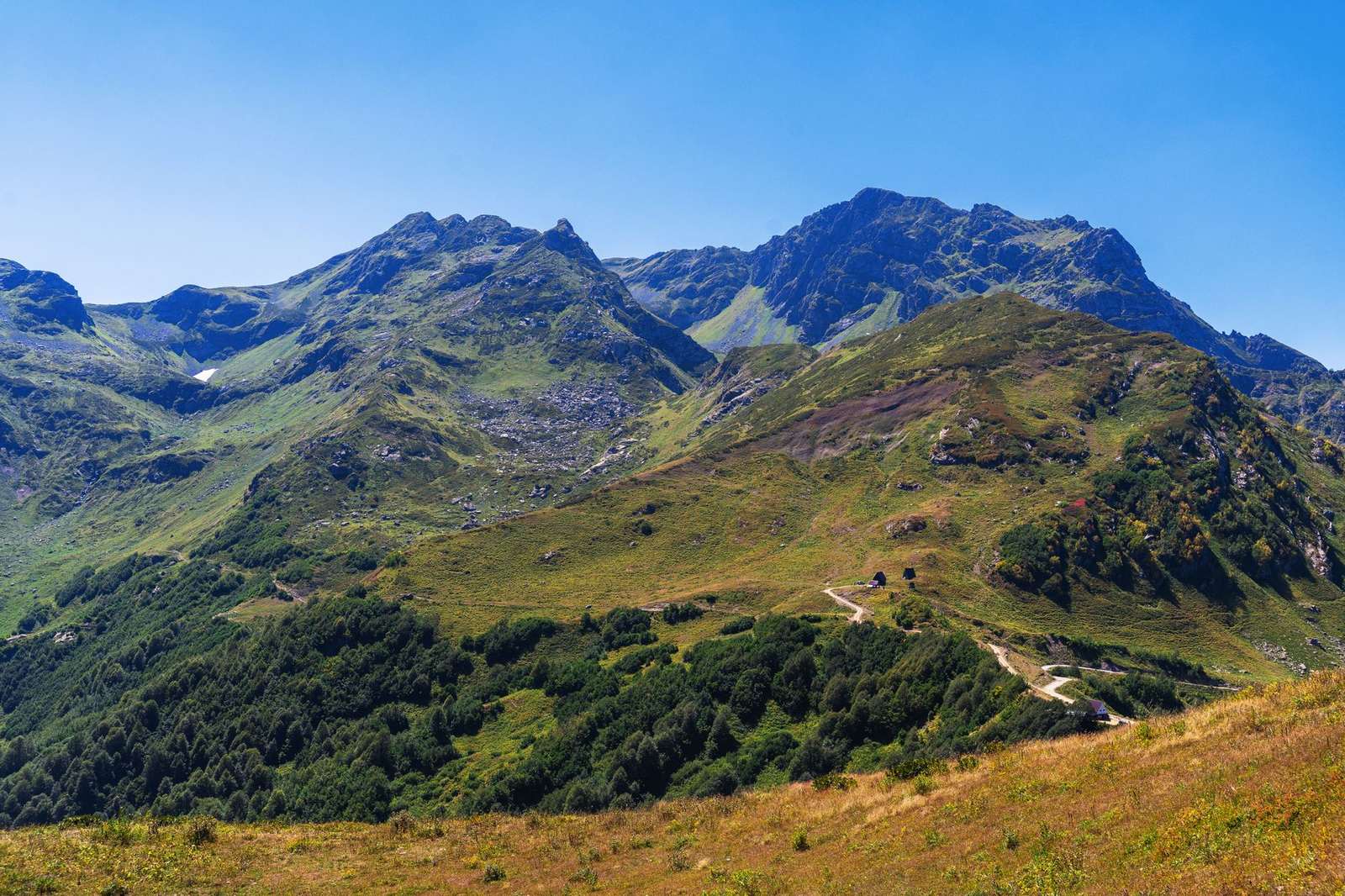
The gentle look of these mountains is partly a political choice. A Grossglockner Hochalpenstrassen article describes rounded summits and open alpine pastures instead of jagged ridges, and says Carinthia chose in 1980 not to develop the area for large-scale ski infrastructure.
The timeline, as Wikipedia tells it, runs like this:
- Early 1970s: a ski area was planned for what is now the core zone, after the Tauern Autobahn opened up the region.
- 1979: construction of the Nockalm Road began, linking the Liesertal with the uppermost Gurktal.
- 7 December 1980: a referendum produced a 94% vote against this type of tourism.
- By 1981: the road had grown into a continuously paved toll tourist road.
The plans had included 18 cable cars and lifts plus two hotel villages with a total of 3,000 beds on both sides of the road. Ski areas emerged instead in Innerkrems and on the Turracher Höhe.
What a biosphere reserve means for visitors
The Nockalm Road website explains that a biosphere reserve differs from a national park, which protects areas of wilderness. The focus is on people as part of nature, and the Nockberge are one of 651 biosphere reserves in 120 countries.
The same page says every reserve is divided into three zones:
- a core zone, where protecting the natural surroundings comes first;
- a nurturing zone;
- an economically and socially oriented development zone.
For you as a visitor this means a working landscape rather than a wilderness. The Nockalm Road site stresses that cattle, sheep, goats and horses on the alps matter as much as wild animals, and that the limited use of Swiss pine and spike lavender is typical of the region.
The Lungau tourism page describes the combined Salzburg Lungau and Carinthian Nockberge reserve as the largest of its kind in Austria. The Nockalm Road site says UNESCO recognised the conservation efforts in 2012.
Driving the Nockalm Road
The Nockalm Road is the easiest way into the area. The Grossglockner Hochalpenstrassen article says it runs around 34 kilometres between Innerkrems and Ebene Reichenau in gentle curves, with 52 bends named after plants found in the Nockberge and known locally as “Reidn”.
The Nockalm Road site says the road was gently adapted to suit the landscape, with no discordant interventions. The article adds that a true nature experience often needs little: a short walk away from a parking area, a quiet moment at a viewpoint, or watching the play of light and weather.
Before you plan a drive, look at the road’s own website. It carries a notice of winter closure until early May 2027, so check the Nockalm Road page for current opening details.
If you want a very different mountain drive on another day, the grossglockner high alpine road makes a natural comparison.
Wildlife and the Nockalmhof Biosphere Reserve Centre
The Nockalm Road site reports that 69 bird species breed in the reserve, 13 of them on the red list of endangered species. It also says the area is home to more than 1,000 different species of fungi, mammals, amphibians, fish and insects.
To learn more on site, the Nockalmhof Biosphere Reserve Center came into being with the designation. According to the same page, it offers:
- exhibitions with unique fossils;
- an exhibition about bats;
- a multimedia area and a 3D cinema;
- a biosphere reserve information area.
The page also suggests exploring the Nockberge with a Biosphere Reserve Ranger.
Planning a visit through the seasons
The Grossglockner Hochalpenstrassen article says the Nockberge change with the months, and the article’s seasonal picture is simple:
- Early summer: meadows and forest edges glow in fresh green.
- High summer: alpine pastures and stone pine forests hold the warmth.
- Autumn: the landscape becomes quieter and clearer.
If you would rather spend a full day on foot, the guide to hiking in carinthia gives a broader look at walking in the region. Check conditions locally before you set out, because this guide does not cover trail details.
Frequently asked questions
Can you visit Nockberge National Park today?
Show answer
Not under that name. As of Wikipedia’s page last edited on 31 October 2025, the national park was dissolved in 2012 and converted into a biosphere reserve, which you can visit along the Nockalm Road (source).
When did the national park become a biosphere reserve?
Show answer
The conversion took place in July 2012, following a unanimous committee decision on 16 November 2004, according to Wikipedia.
How long is the Nockalm Road?
Show answer
The Grossglockner Hochalpenstrassen article gives around 34 kilometres between Innerkrems and Ebene Reichenau, with 52 bends.
Why is there no big ski resort in the Nockberge?
Show answer
Plans for 18 cable cars and lifts met with little approval, and a referendum on 7 December 1980 produced a 94% vote against that type of tourism, per Wikipedia.