Planning a stop in Carinthia and unsure where to start? The best things to do in Villach are an old-town stroll, the St. Jakob tower, thermal baths and nearby lakes.
For the wider picture, the carinthia travel guide places Villach in the region.
| Item | Value |
|---|---|
| St. Jakob bell tower height | 94 metres |
| St. Jakob church, construction began | 1360 |
| Trinity Column on the Hauptplatz | Dating from 1739 |
| Stadtmuseum Villach, founded | 1873 |
| Guided Old Town walk (in German) | Every Friday at 10 am |
The figures come from VisitAustria.info and the Kärnten Card page for the guided walk. They can change, so check the source before you rely on them.
Stroll the old town and Hauptplatz
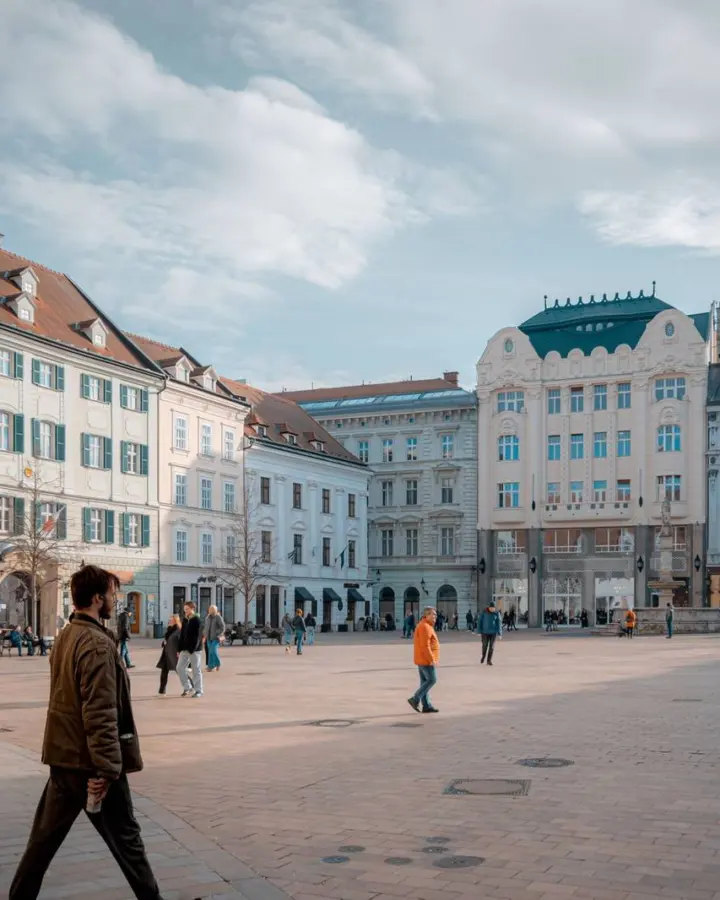
Start on the Hauptplatz, which is not a traditional square but an elegant, elongated pedestrian street at the heart of town. According to VisitAustria.info, it hosts markets, cultural events and seasonal celebrations, and it is surrounded by boutiques, historic cafés and restaurants.
In the middle stands the Trinity Column, dating from 1739. The same VisitAustria.info guide notes that the Hotel Post, a former Khevenhüller palace, sheltered Emperor Charles V in 1552, and that the Grottenegghaus is a medieval building from the 14th century.
Beyond the main street, look out for these details:
- The Paracelsus-Haus, former home of the physician and alchemist Paracelsus.
- Widmanngasse, one of the oldest and most atmospheric streets, with medieval merchant architecture and inner courtyards.
- A rose garden in the town centre, a green spot to sit down and relax.
Near Hans Gasser Square you can see a surviving section of the city wall dating back to 1233. It is a rare reminder of the defences that once protected Villach, according to VisitAustria.info.
The regional tourism board describes Carinthia’s second largest city as reminiscent of old Mediterranean towns, with narrow alleyways, cobbled squares and colourful houses. Summer brings the Villacher Kirchtag, and Advent fills the centre with markets.
For the stories behind the facades, join the guided Old Town walk, which runs in German every Friday at 10 am according to the Kärnten Card page. Participation is free, photo ID is required, and the stay is approx 2 h.
The same page lists old-town market days on Wednesdays, Fridays and Saturdays, and gives about 400 metres on foot from the main station. Its Advent walks run on Saturdays at 4 pm, but the dates it shows are for 2025, so confirm the current schedule at the source.
Climb St. Jakob and visit the city museum
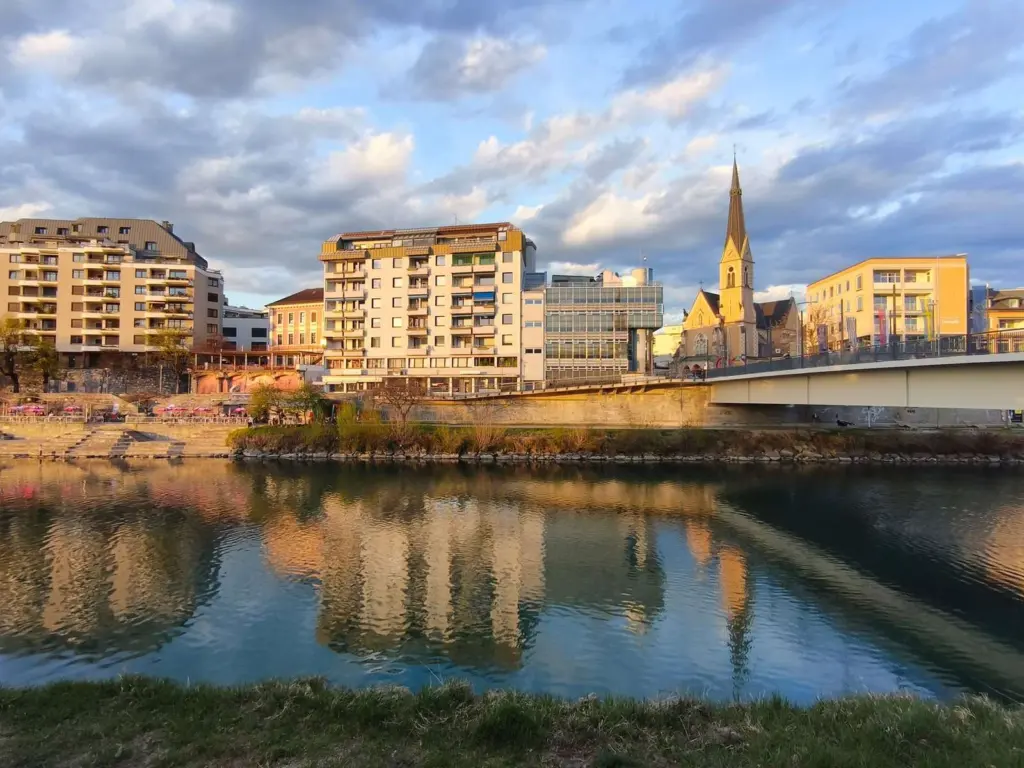
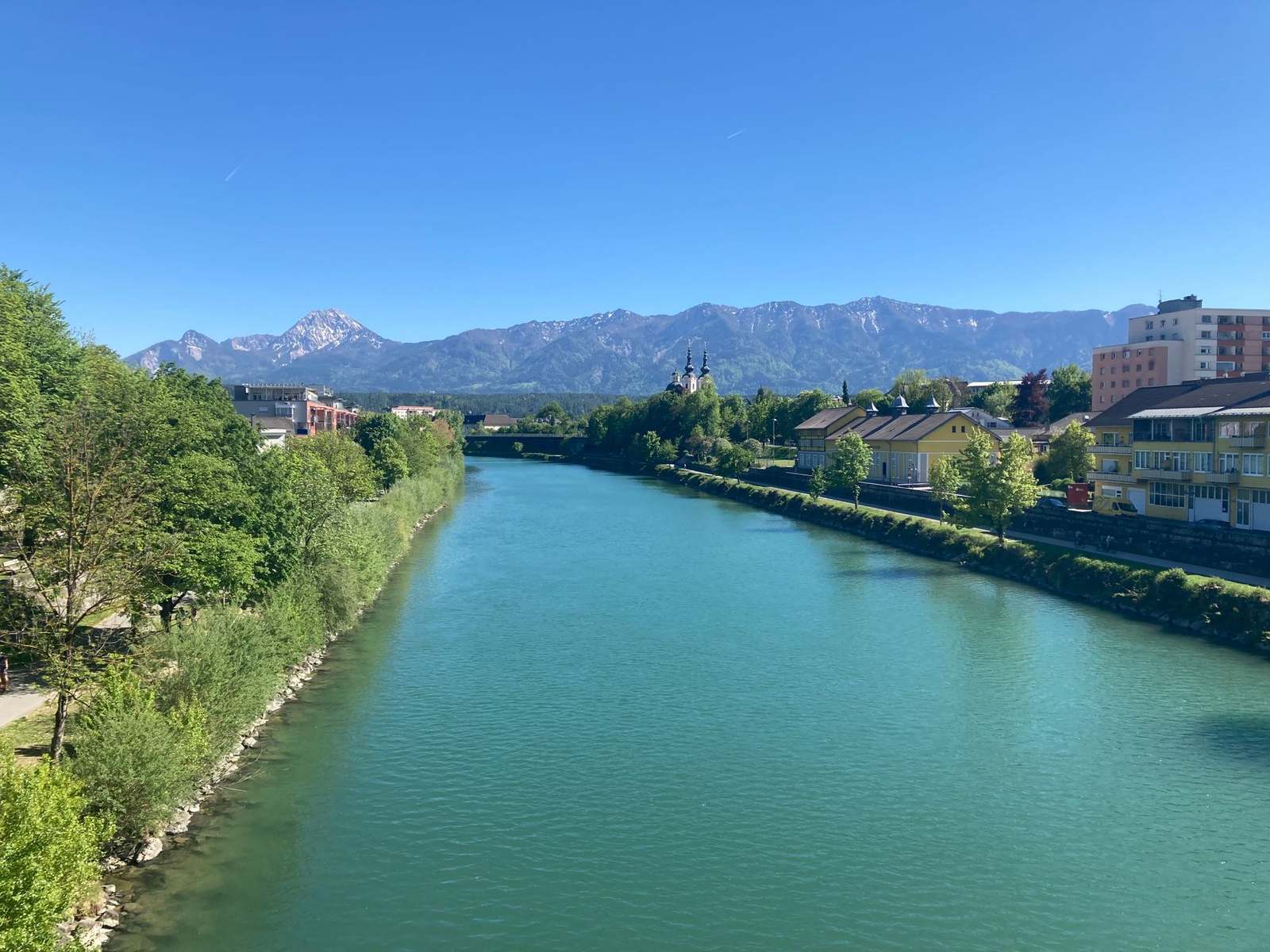
The Gothic St. Jakob church, erected from 1360, is the undisputed symbol of Villach according to VisitAustria.info. It stands on the remains of a Romanesque basilica dating back to 1136, which was destroyed by an earthquake.
The 94-metre-high bell tower is the highest in Carinthia. You have to climb over 150 steps, and the reward is a panoramic view of the city and the surrounding mountains, as VisitAustria.info describes it.
A short walk away, the Stadtmuseum was founded in 1873 and is housed in the former Crusiz Palace in Widmanngasse. VisitAustria.info calls it one of the largest and oldest municipal museums in Austria.
Highlights of the collection include:
- Neolithic artefacts from the Kanzianiberg settlements.
- Objects from Roman times, testifying to the importance of ancient Santicum.
- Early medieval grave finds from Judendorf and Völkendorf.
The Kärnten Card allows free admission to the museum, per the same guide. The Schillerpark, the green lung of the town centre, is home to the famous Relief von Kärnten, a good stop if you want to see the region’s geography laid out in miniature.
Where can you soak in Villach’s thermal waters?
The KärntenTherme sits in the district of Warmbad-Villach, and The Crazy Tourist describes both indoor and outdoor sections. Features include water slides, a lazy river with floats, a sports pool for lane swimming, a spa and lounge area and a kids area.
The warm water has a long history here. A Nomads Travel Guide overview says Roman inscriptions confirm that the thermal springs were used for healing and relaxation nearly 2,000 years ago.
The spa also works as a rainy-day or winter plan. The regional tourism board pairs winter days on the slopes with soothing warmth in the KärntenTherme thermal spa.
Lakes and mountains within easy reach
Villach sits among lakes and mountains, so a day outside the centre is easy to fit in. These are the main lake stops:
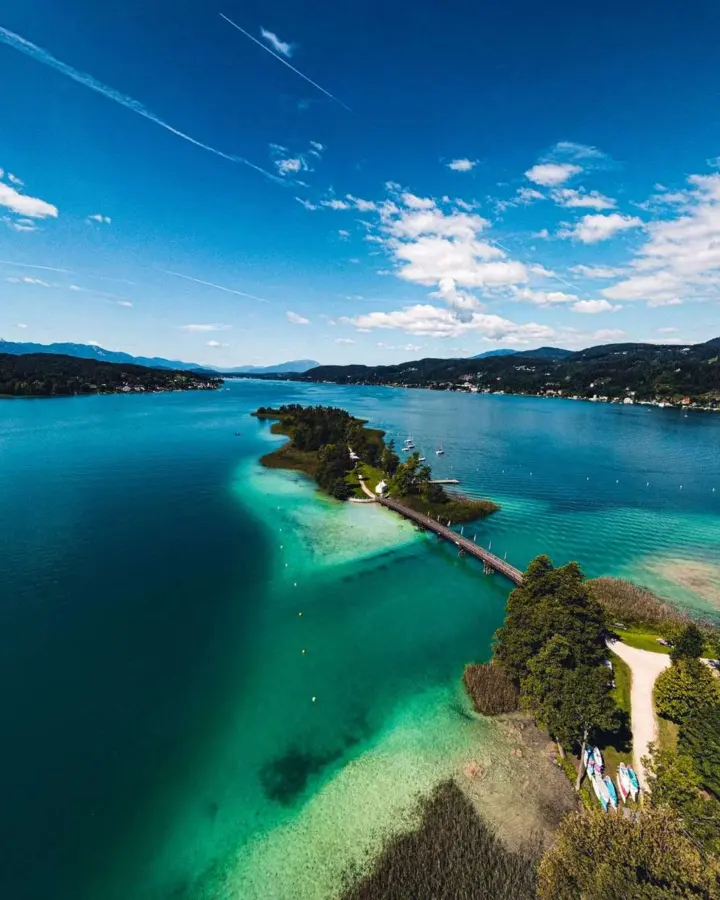
- Faaker See: turquoise-blue, crystal-clear water in view of the Mittagskogel, with the Kanzianiberg for climbers and family trails such as the “Fox Trail”.
- Ossiacher See: the largest of the lakes surrounding Villach, with natural shorelines and water sports.
- Silbersee: a small artificial lake for swimming in summer and ice-skating in winter.
- Aichwaldsee: a quiet lake with dark, murky water of first-rate quality, set in a conservation area with forests and walking paths.
According to The Crazy Tourist, Silbersee was built in the 1970s during construction of the Süd Autobahn. For a different mood, the tourism board describes Faaker See as a place that leaves memories behind.
The Villacher Alpenstraße stretches for over 16km and is a toll road, per The Crazy Tourist. That guide quoted a single-car day price of 16.00 Euro as of 2016, so treat the figure as outdated and look up today’s toll before you drive.
The road leads into the Dobratsch Nature Park. The tourism board names the Rosstratte as the last car park before the summit and mentions a show mine at the foot of the mountain, while The Crazy Tourist counts over 120 types of birds.
Landskron Castle lies on the northern edge of Villach, over 800m above sea level, with views toward Lake Ossiach. A falconry show runs there, but the show is in German, according to The Crazy Tourist.
In winter, the Gerlitzen Alpe is the draw: the tourism board’s site lists 26 ski runs and 45 kilometres of groomed slopes. For another Carinthian city, see the things to do in klagenfurt guide on this site, and the wörthersee travel guide helps you extend your lake time.
When to go and how to plan your days
VisitAustria.info is frank about the city itself: it is not the most charming town in Austria, but it is lively, has all amenities and works well as a base for the surrounding area. Each season has its own pull:
- Summer: greenery, walking, mountain biking and swimming in the lake.
- Autumn and spring: ideal seasons for hiking.
- Winter: skiing, bathing in a heated pool with a mountain view, and Christmas markets that are smaller than those in Vienna, Salzburg and Innsbruck but not without charm.
Book ahead if you visit during the Carinthischen Sommer music festival, which runs from mid-July to the end of August according to VisitAustria.info. Those weeks are a peak period for tourism in Villach.
Check the Erlebnis CARD before you pay for activities. The regional tourism board describes it as completely free of charge and says it covers a wide range of public transport services during your stay.
Frequently asked questions
Is Villach worth visiting?
Show answer
Yes, especially as a base. VisitAustria.info says the town is not the most charming in Austria but is lively and well equipped, with an old town, thermal baths and lakes close by.
Can you climb the tower of St. Jakob?
Show answer
Yes. The 94-metre bell tower is the highest in Carinthia, and you have to climb over 150 steps to reach the view, per VisitAustria.info.
Is there a guided tour of the old town?
Show answer
The Kärnten Card page lists guided walks in German every Friday at 10 am, with a stay of approx 2 h. Check the page for the current schedule before you plan around it.
When is Villach busiest?
Show answer
The Carinthischen Sommer festival runs from mid-July to the end of August and is a peak period, according to VisitAustria.info. Booking ahead is a good idea then.
Can you swim in the lakes near Villach?
Show answer
Yes. The Crazy Tourist describes Faaker See as popular with swimmers because of its clear water, and Silbersee as well suited to swimming and bathing.